Tel: +86 17310763143
E-mail: sales@nmgymjx.com
Website: www.nmgymjx.com
Address:The intersection of G242 and 311 roads, Langshan town, Linhe district, Inner Mongolia, China.
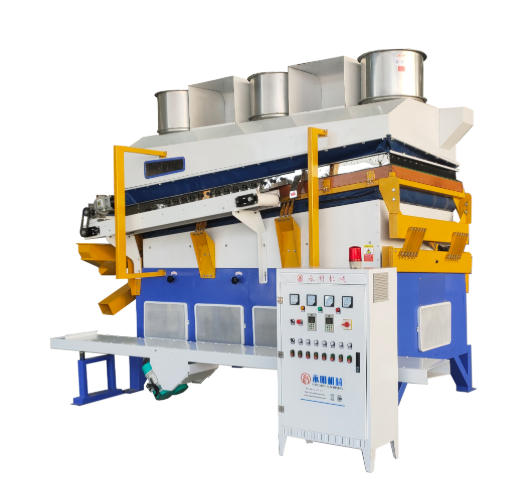
The positive pressure gravity separator is a device used to separate materials with different densities, and it is widely applied in grain processing, mineral sorting, chemical engineering, and other fields. Its work efficiency directly affects the overall performance and economic benefits of the production line. There are numerous factors that affect the work efficiency of the positive pressure gravity separator, mainly including equipment design, material characteristics, operating parameters, environmental conditions, and maintenance and upkeep. The following will provide a detailed analysis of these factors.
1. Equipment design and structure
The design and structure of the positive pressure gravity separator are among the core factors affecting its work efficiency. The overall design of the equipment includes components such as the airflow system, separation chamber structure, and vibration system.
Airflow system: The positive pressure gravity separator stratifies materials through airflow, and the speed, uniformity, and stability of the airflow directly affect the separation efficiency. If the airflow design is not reasonable, it may lead to uneven airflow distribution, affecting the separation accuracy of materials.
Separation chamber structure: The size, shape, and internal structural design of the separation chamber will affect the movement trajectory and residence time of the material in the equipment. A reasonable design of the separation chamber can ensure that the material is fully stratified under the action of airflow, thereby improving separation efficiency.
Vibration system: The vibration system is used to assist the movement of materials within the separation chamber. The frequency and amplitude of vibration need to be matched with the airflow velocity. Improper setting of vibration parameters may lead to material accumulation or incomplete separation.
2. Material characteristics
The physical and chemical properties of materials have a significant impact on the working efficiency of positive pressure density machines. These properties mainly include the density, particle size, shape, moisture content, etc. of the materials.
Density difference: The working principle of a positive pressure gravity separator is based on the difference in material density for separation. If the density difference of the material to be separated is small, the difficulty of separation increases, and the efficiency decreases.
Particle size distribution: The particle size distribution of materials affects their motion state in the airflow. Uneven particle size may lead to ineffective stratification of some materials, thereby affecting the separation efficiency.
Shape: The shape of the material can affect its force condition in the airflow. For example, the movement trajectory of flaky material and spherical material in the airflow is different, which may lead to unsatisfactory separation effect.
Moisture content: The moisture content of a material affects its fluidity and density. Excessively high moisture content may cause the material to clump together, affecting the effectiveness of airflow.
3. Operating parameters
The operating parameters of the positive pressure proportioner are key factors affecting its work efficiency. These mainly include airflow velocity, vibration frequency, and feeding speed, among others.
Airflow velocity: Airflow velocity is the core parameter determining the stratification effect of materials. If the airflow velocity is too low, the materials cannot be fully stratified; if it is too high, it may cause lightweight materials to be blown out, affecting the separation accuracy.
Vibration frequency: The vibration frequency needs to match the airflow velocity to ensure uniform distribution of materials within the separation chamber. Both excessively high and low vibration frequencies can affect the separation efficiency.
Feed rate: The feed rate determines the amount of material processed per unit time. If the feed rate is too fast, it may lead to material accumulation in the separation chamber, preventing adequate stratification; if the feed rate is too slow, it will reduce the production efficiency of the equipment.
In summary, the work efficiency of the positive pressure proportioner is influenced by various factors. Simultaneously, the skill level of operators and the automation degree of equipment are also crucial factors in ensuring the operation of the equipment. By comprehensively considering these factors, the work efficiency of the positive pressure proportioner can be improved, thereby enhancing the overall performance of the production line.

De-impurity
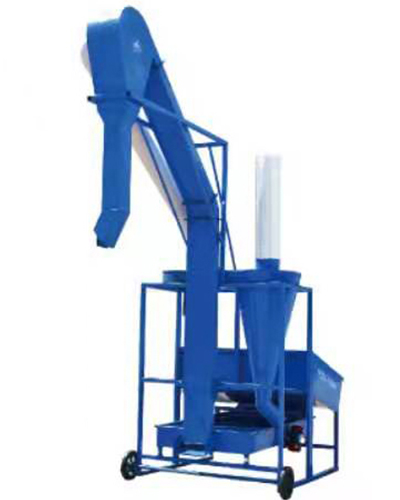
Delivery of the wind for raw material

Dmс-160 type pulsed jet cloth filter
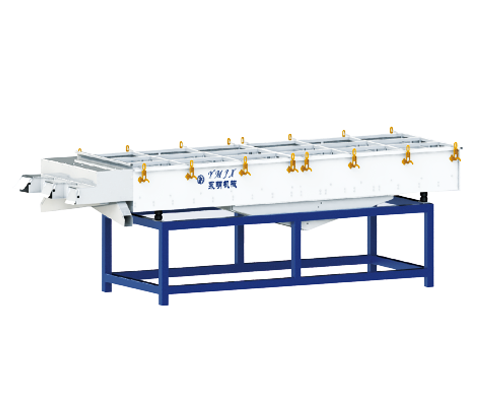
Grading screen
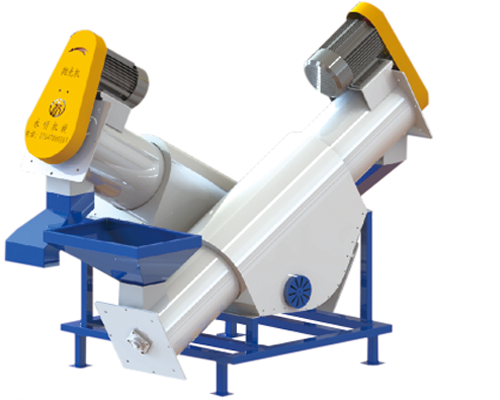
Polisher
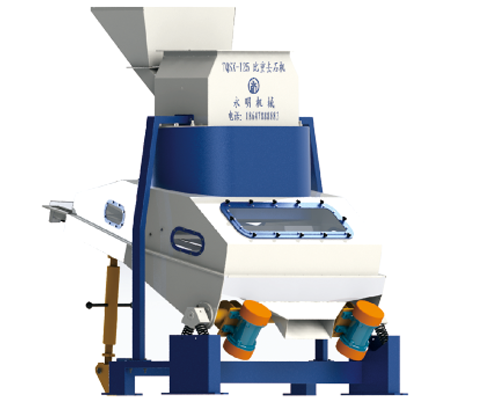
De-stoner
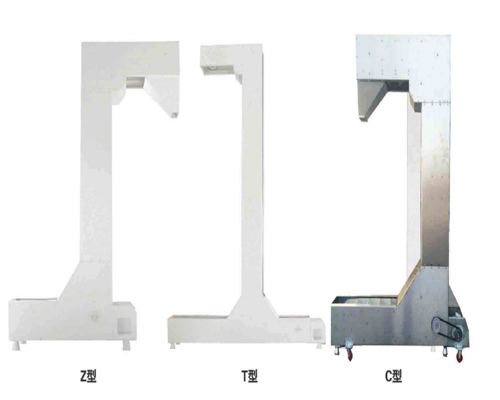
Unbroken elevator
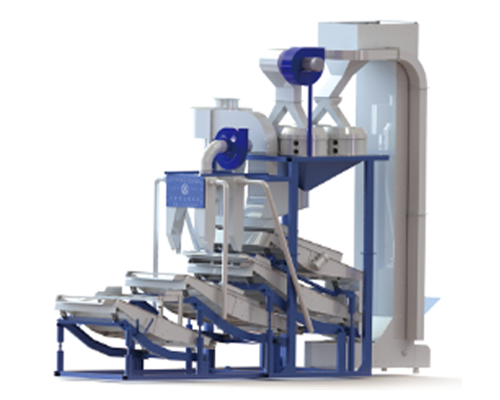
KTF4-3000 Sunflower seed hulling & separating machine
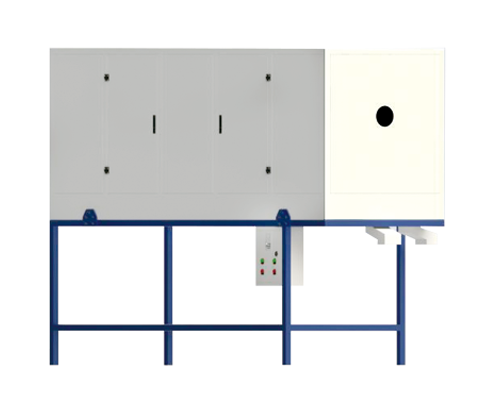
Ident cylinder sunflower seed cleaning machine
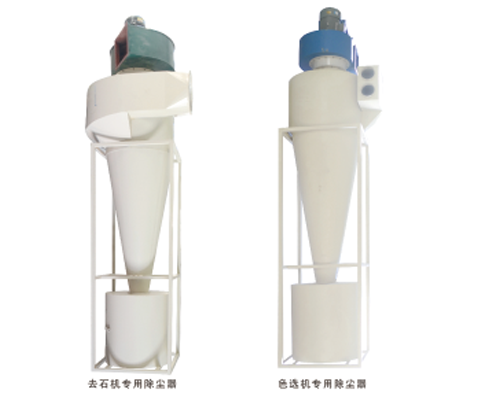
Product introduction of cyclone dust separator
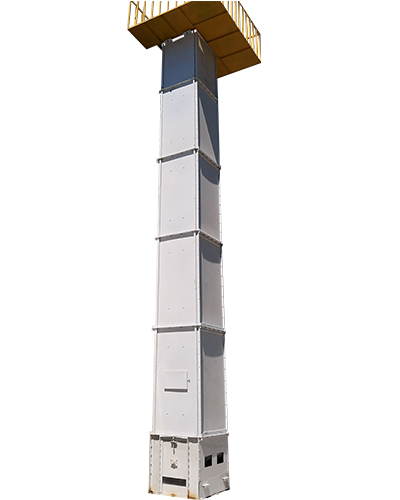
Vertical hoist
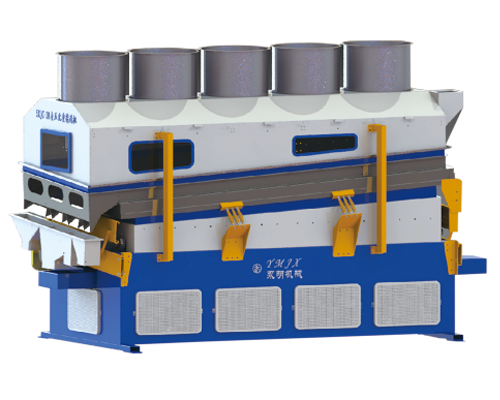
Gravity separator
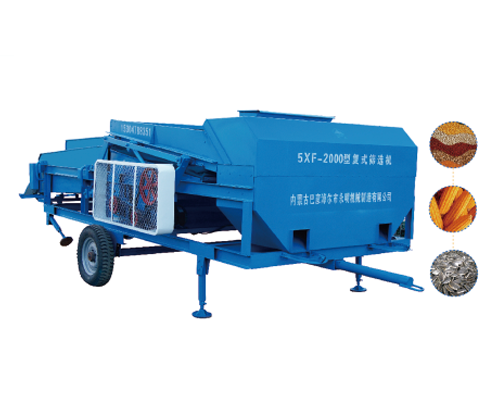
5XF-2000 type compound screening machine
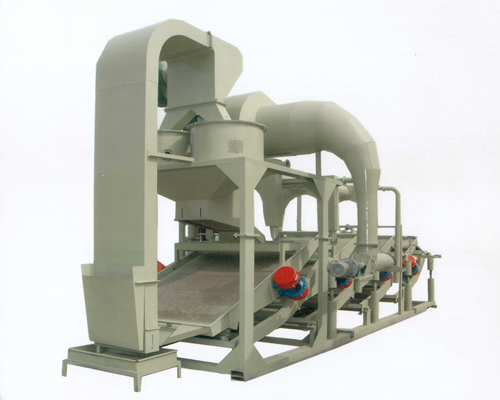
KTF3-1200 Sunflower seed hulling & separating machine
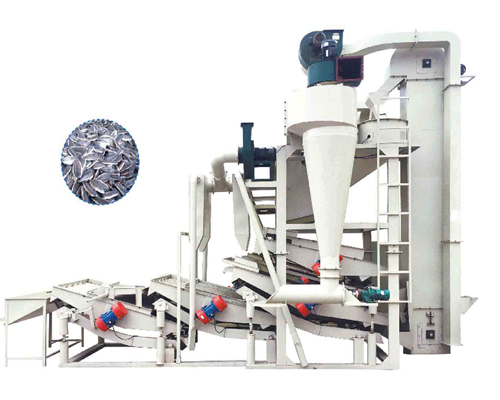
KTF4-2800型葵花脱壳分选机
巴彦淖尔市永明机械制造有限公司
Yongming Machinery Manufacturing Co., Ltd.
Honesty molded brand service a bright future
 | Service Hotline: 400-0478-123 |
 | Sale Line: +86 17310763143 |
 | E-mail: sales@nmgymjx.com |
 | Address: The intersection of G242 and 311 roads, Langshan town, Linhe district, Inner Mongolia, China. |
| Website: www.nmgymjx.com |

Scan and follow us