Tel: +86 17310763143
E-mail: sales@nmgymjx.com
Website: www.nmgymjx.com
Address:The intersection of G242 and 311 roads, Langshan town, Linhe district, Inner Mongolia, China.
The multi-type seed cleaner is very adaptable. By changing the sieve and adjusting the air volume, you can choose wheat, rice, corn, sorghum, beans, canola, willow and green manure, and other seeds. The machine is very demanding in terms of use and maintenance, and slight negligence will affect the quality of seed selection. The use and maintenance methods of the seed double cleaning machine are as follows:
1. The cleaning machine is operated indoors. The parking lot of the machine should be flat and firm, and the location of the parking lot should be considered suitable for dust removal.
2. Before operation, please check whether the connecting screws of each part are tightened correctly, whether the gear parts rotate flexibly, whether there is any abnormal sound, and whether the tension of the transfer belt is sufficient.
3. When changing the variety during the operation, please make sure to remove the remaining seed particles in the machine and let the machine run for 5-10 minutes. At the same time, flip the front and rear air volume adjustment handles several times to avoid accumulation of dust in the chambers of the machine, front, middle, and back. More types and pollutants. After confirming that the seeds and sundries have not flowed out of multiple storage rooms, you can stop the machine, and first clean the seeds and sundries on the upper sieve to the waste liquid discharge port, then remove the upper sieve surface and clean the lower sieve surface.
4. If the conditions are limited and you need to work outdoors, you should park the machine in a sheltered location and place it upwind to reduce the influence of wind on the selection effect. If the wind speed is greater than level 3, you should consider installing windbreaks.
5. Lubrication points should be refueled before each operation, cleaned and inspected after completion, and errors should be corrected in time.
The above is to pay attention to the correct use and maintenance of the seed double cleaning machine. Thank you for your attention and support. If you want to know more, please pay attention to the official website of Yongming Machinery. This site will share more good articles for you, see you next time!

De-impurity
Delivery of the wind for raw material

Dmс-160 type pulsed jet cloth filter
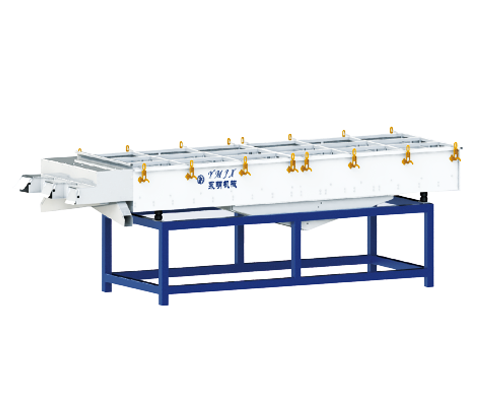
Grading screen
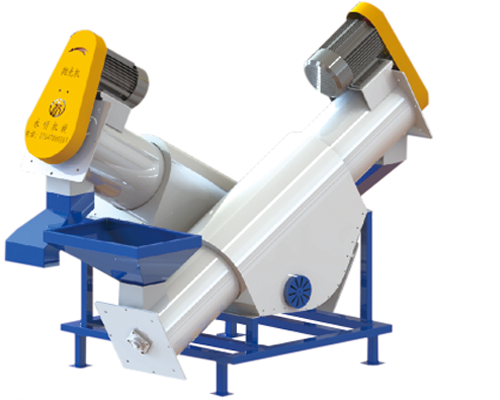
Polisher
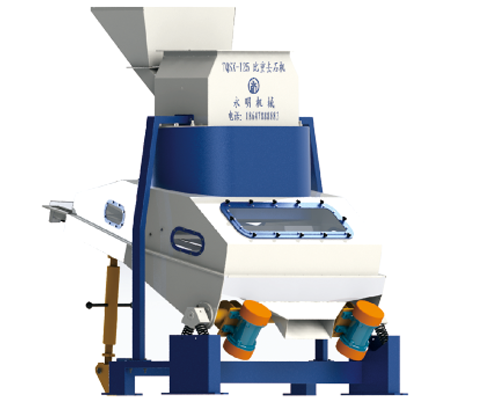
De-stoner
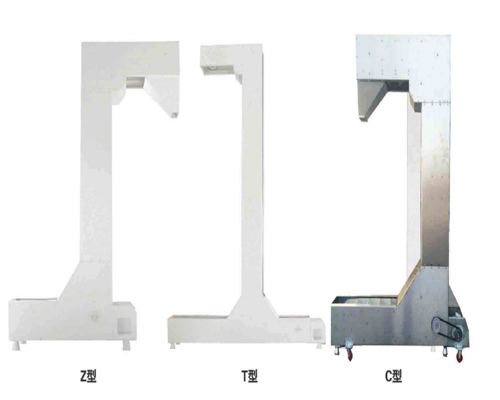
Unbroken elevator
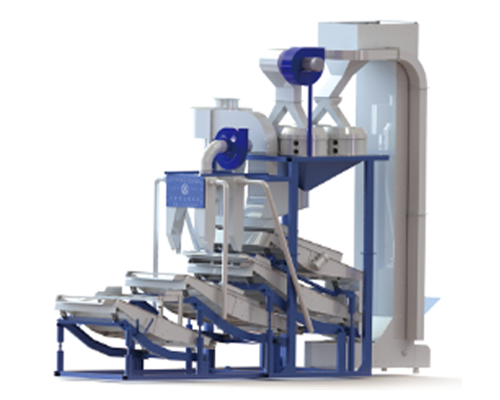
KTF4-3000 Sunflower seed hulling & separating machine
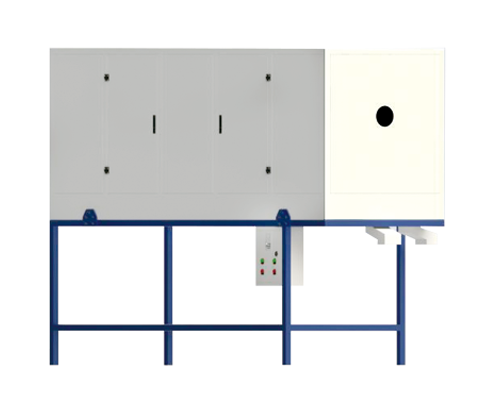
Ident cylinder sunflower seed cleaning machine
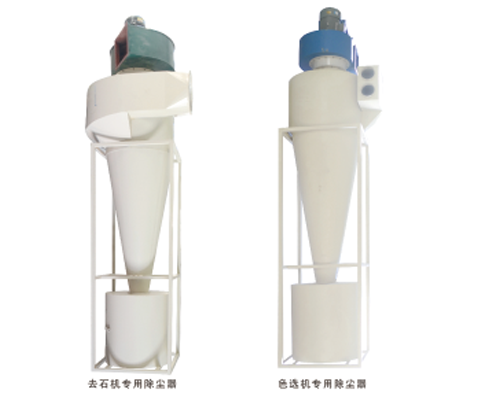
Product introduction of cyclone dust separator
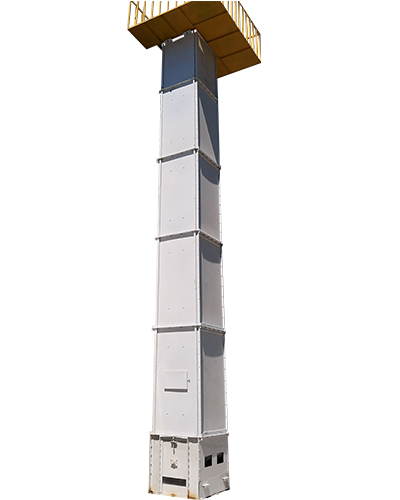
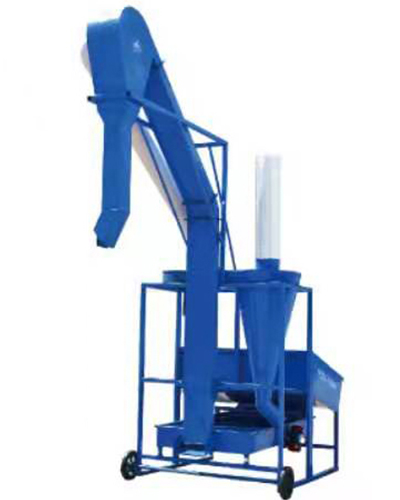
Vertical hoist
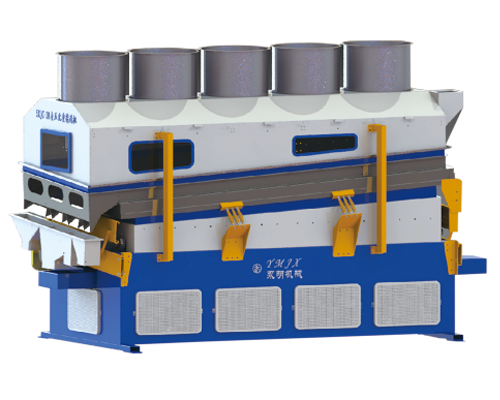
Gravity separator
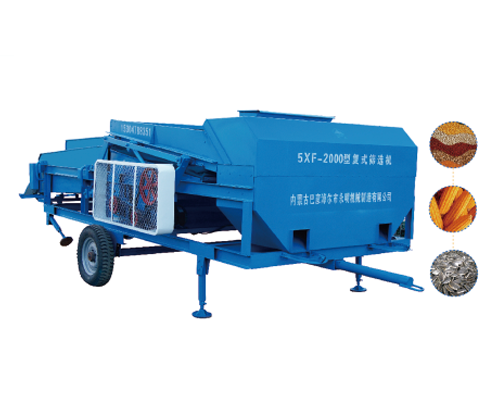
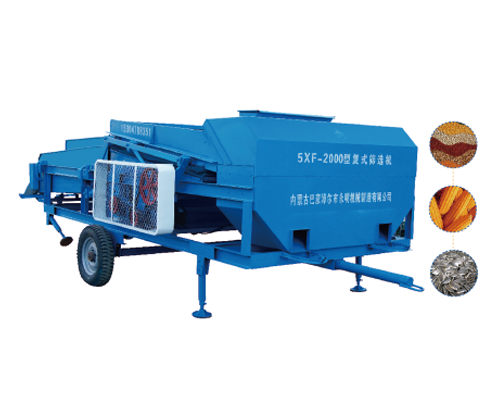
5XF-2000 type compound screening machine
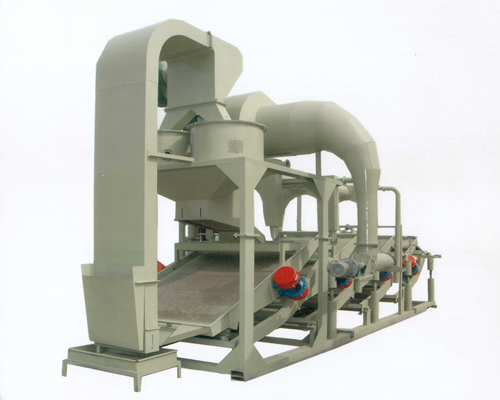
KTF3-1200 Sunflower seed hulling & separating machine
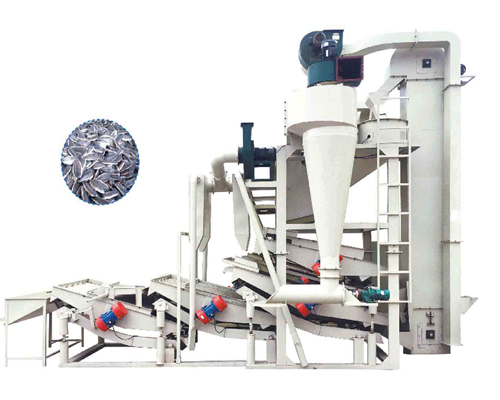
KTF4-2800型葵花脱壳分选机
巴彦淖尔市永明机械制造有限公司
Yongming Machinery Manufacturing Co., Ltd.
Honesty molded brand service a bright future
 | Service Hotline: 400-0478-123 |
 | Sale Line: +86 17310763143 |
 | E-mail: sales@nmgymjx.com |
 | Address: The intersection of G242 and 311 roads, Langshan town, Linhe district, Inner Mongolia, China. |
| Website: www.nmgymjx.com |

Scan and follow us