Tel: +86 17310763143
E-mail: sales@nmgymjx.com
Website: www.nmgymjx.com
Address:The intersection of G242 and 311 roads, Langshan town, Linhe district, Inner Mongolia, China.
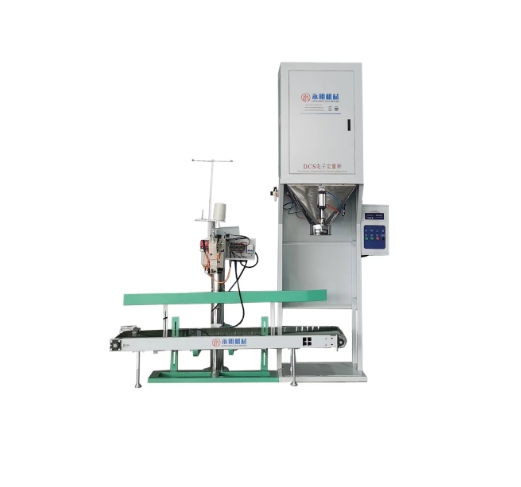
Electronic quantitative scales are mainly used in the field of commodity measurement in various industries. They have the advantages of high precision and easy operation, and can meet the measurement needs of different industries. The following will introduce the application of electronic quantitative scales in various fields.
Food industry: Electronic quantitative scales are widely used in the food industry and can be used for weighing and measuring food such as grains, candies, vegetables, and meat. Its high precision and fast measurement characteristics can improve production efficiency and ensure product quality.
Pharmaceutical industry: In the pharmaceutical industry, electronic quantitative scales can be used for ingredient preparation, packaging weighing, and other processes to ensure the quality and safety of drugs.
Chemical industry: In the chemical industry, electronic quantitative scales can be used for measuring substances such as chemicals, pigments, coatings, etc., ensuring precise control of the production process.
Automotive industry: In the automotive industry, electronic quantitative scales can be used for weight detection of automotive components, ensuring the quality and safety of automotive manufacturing.
Storage logistics: In the field of storage logistics, electronic quantitative scales can be used for weighing and sorting goods, improving storage logistics efficiency and reducing errors.
Market measurement: In the field of market measurement, electronic quantitative scales can be used for weighing and measuring vegetables, fruits, food and other commodities in the market, ensuring the rights and interests of consumers.
Laboratory research: In the field of laboratory research, electronic quantitative scales can be used to weigh various substances in the laboratory, ensuring the accuracy of experiments. Overall, electronic quantitative scales have important application value in the field of commodity measurement in various industries. Their high-precision characteristics can improve production efficiency, ensure product quality, and meet various measurement needs. With the continuous development of technology, the functions and performance of electronic quantitative scales are also constantly improving, and they will be widely used in more fields, bringing more convenience to production and life.

De-impurity
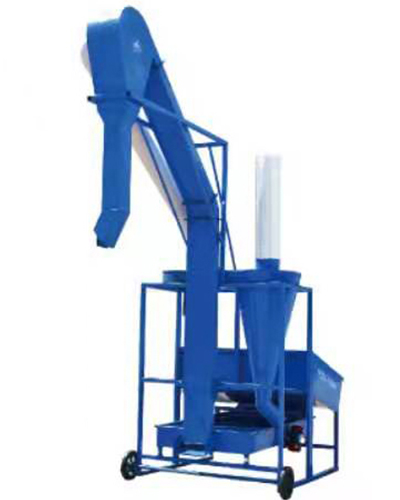
Delivery of the wind for raw material

Dmс-160 type pulsed jet cloth filter
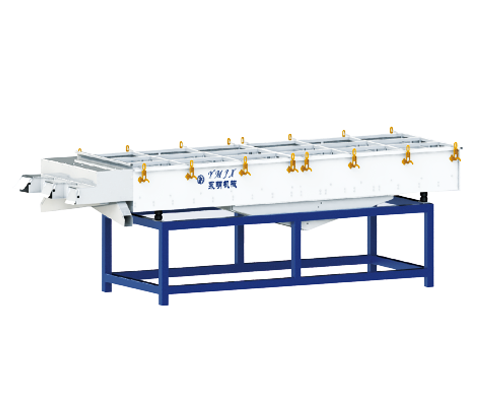
Grading screen
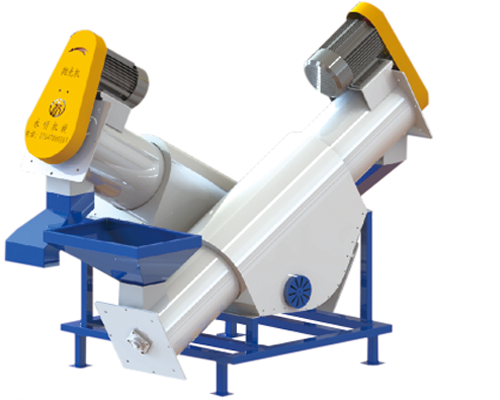
Polisher
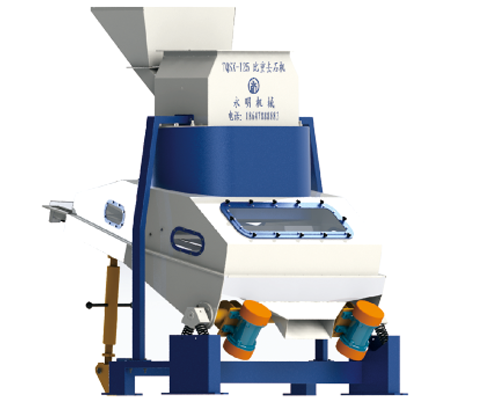
De-stoner
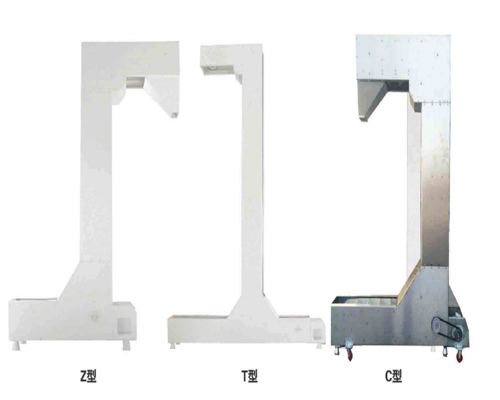
Unbroken elevator
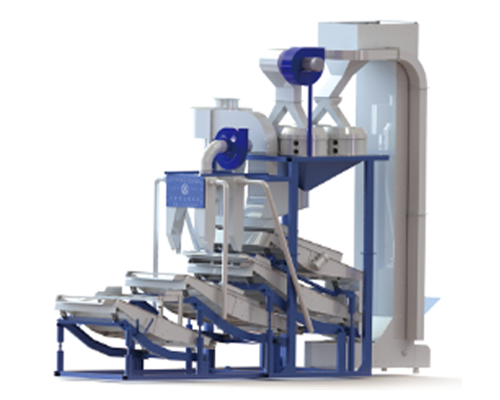
KTF4-3000 Sunflower seed hulling & separating machine
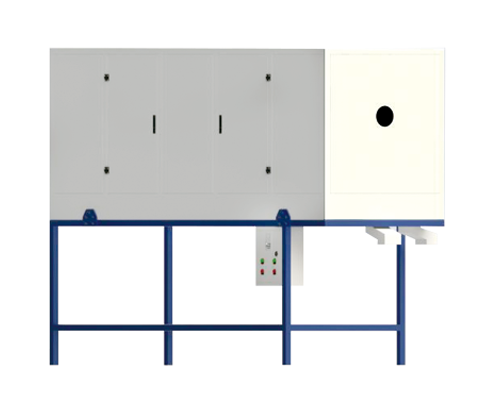
Ident cylinder sunflower seed cleaning machine
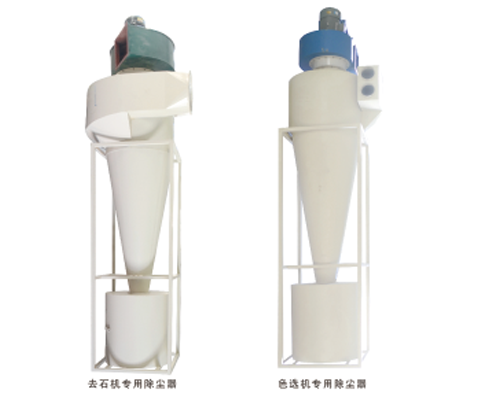
Product introduction of cyclone dust separator
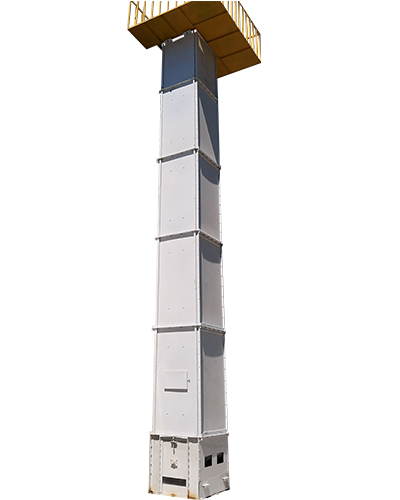
Vertical hoist
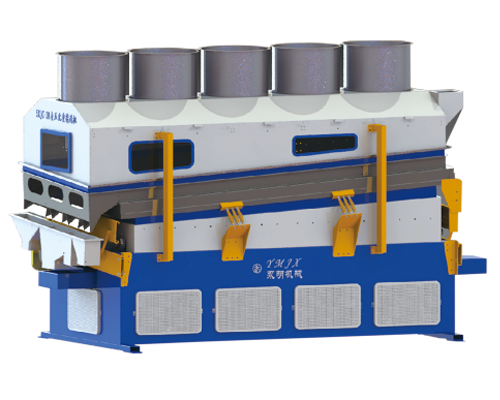
Gravity separator
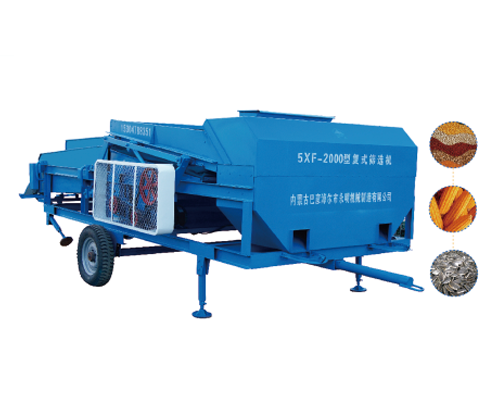
5XF-2000 type compound screening machine
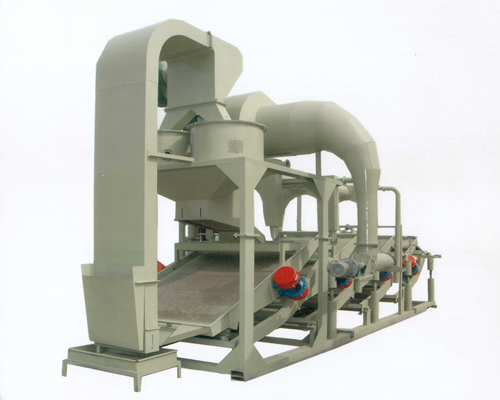
KTF3-1200 Sunflower seed hulling & separating machine
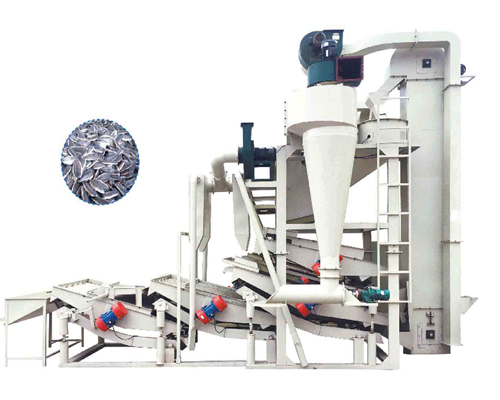
KTF4-2800型葵花脱壳分选机
巴彦淖尔市永明机械制造有限公司
Yongming Machinery Manufacturing Co., Ltd.
Honesty molded brand service a bright future
 | Service Hotline: 400-0478-123 |
 | Sale Line: +86 17310763143 |
 | E-mail: sales@nmgymjx.com |
 | Address: The intersection of G242 and 311 roads, Langshan town, Linhe district, Inner Mongolia, China. |
| Website: www.nmgymjx.com |

Scan and follow us