Tel: +86 17310763143
E-mail: sales@nmgymjx.com
Website: www.nmgymjx.com
Address:The intersection of G242 and 311 roads, Langshan town, Linhe district, Inner Mongolia, China.
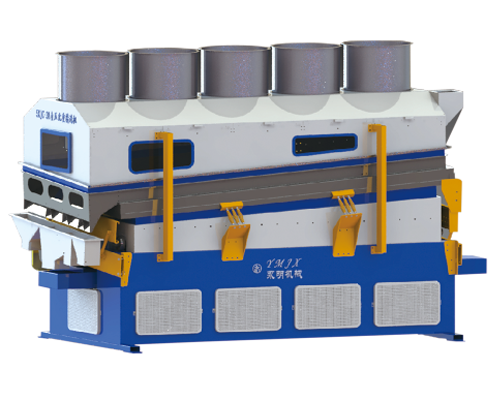
The suction specific gravity machine adopts all stainless steel plate sieve bed, which is sturdy and durable, high utilization rate, and reliable. The specific gravity machine will not be limited by the position, and can be applied by general manufacturers. So what is its application category? Look down together.
The selection of dryness and adjustment rate, the main equipment for producing and processing seeds and agricultural and sideline foods. It can be used to select various dry raw materials. It utilizes the comprehensive effect of cyclones and vibration friction on the raw materials. Moving to a high place, a small proportion of raw materials floats on the surface of the material layer to the fluid bottom layer, so as to achieve the purpose of proportional separation.
The reciprocating oscillating joints of tissue paper are specially made of rubber bearings. The rubber bearings are durable, absorb vibration, and the fitness movement of the suction specific gravity machine is stable, reliable, low vibration, and low noise. The machine enters the air on the blue stone plate without dust, and chooses a large suction cover and suction port. The air pressure on the surface of the bluestone slab is similar. In the past, bluestone slabs had uniform wind speed, convenient adjustment of exhaust volume, and wide application range.
Therefore, when the production volume of the specific gravity machine fluctuates within the intensity range, a good actual effect of stone removal can be achieved, which develops and manufactures the advantages of various gravity machines required by various countries and users in the world. Widely used in seed production and processing, agriculture and non-staple food solution manufacturing industries, grain seeds have excellent practical results. It can remove grains, bud valleys, insects, moldy mold, powdery mildew and grains with glumes, grasses with geometric specifications less than 3mm, pebbles, gravel and soil blocks can also be eliminated, optimized seed emergence rate of seeds, emergence The rate, purity and uniformity have been significantly improved. After the basic specific gravity processing is corn, rice, wheat, sorghum rice, cotton wool, legumes, rapeseed, vegetables. It is preferred to use the equipment to apply seeds such as fruits, Chinese pine, larch, arborvitae, yew, black locust, etc., and the actual effect is greater. The above is the content to share today, thank you for your attention and support, see you next time!

De-impurity
Delivery of the wind for raw material

Dmс-160 type pulsed jet cloth filter
Grading screen
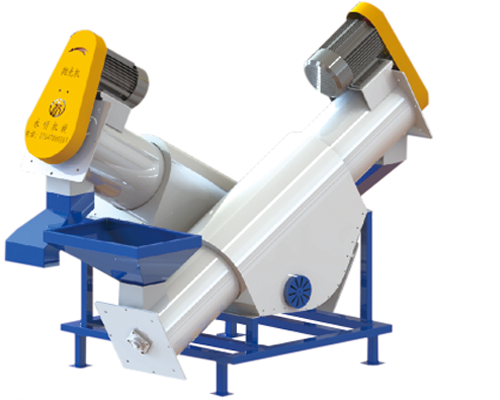
Polisher
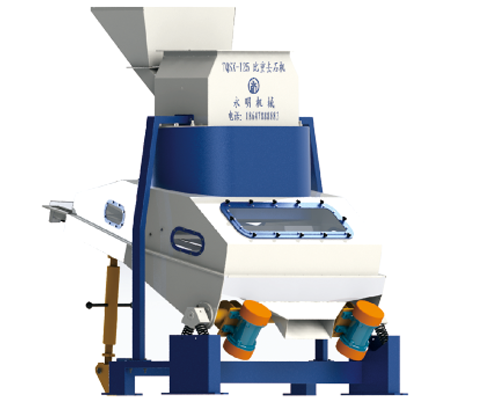
De-stoner
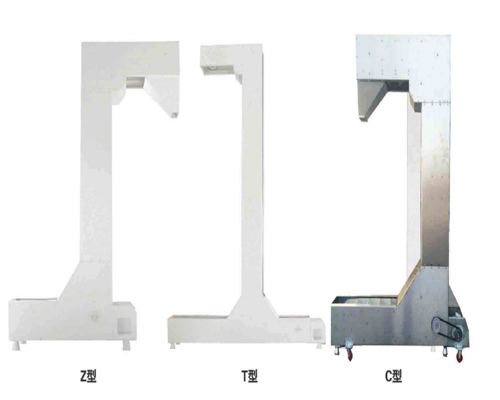
Unbroken elevator
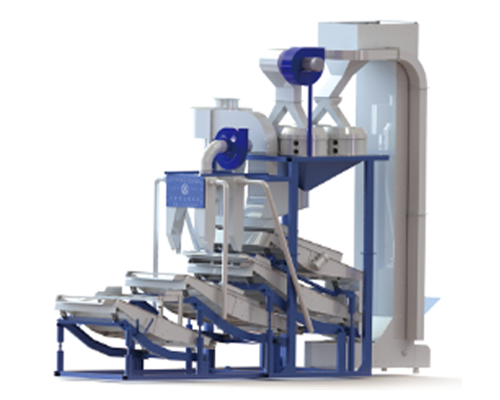
KTF4-3000 Sunflower seed hulling & separating machine
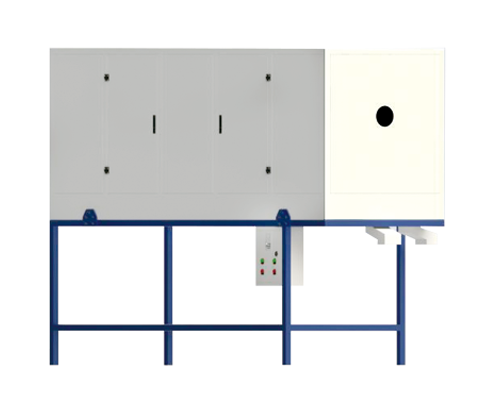
Ident cylinder sunflower seed cleaning machine
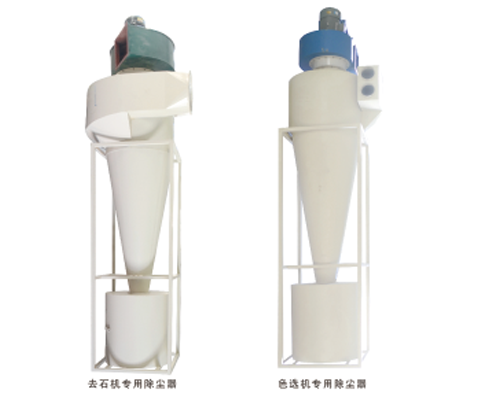
Product introduction of cyclone dust separator
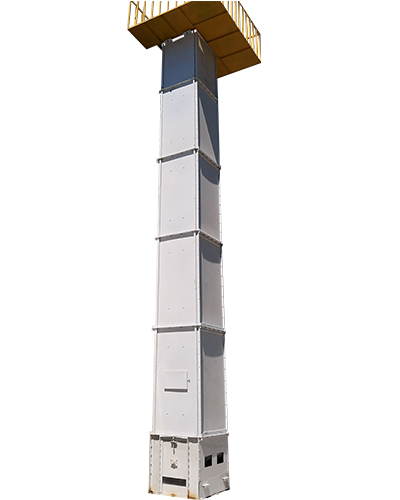
Vertical hoist
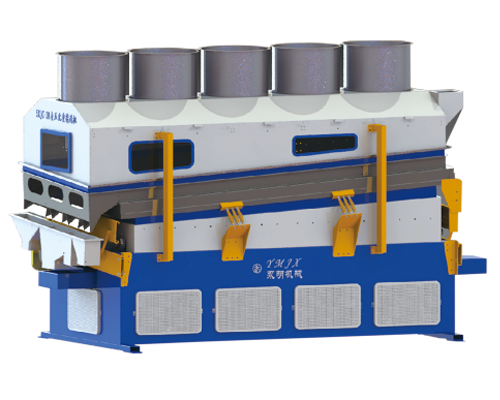
Gravity separator
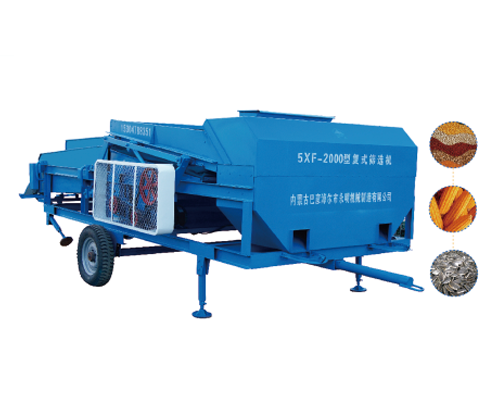
5XF-2000 type compound screening machine
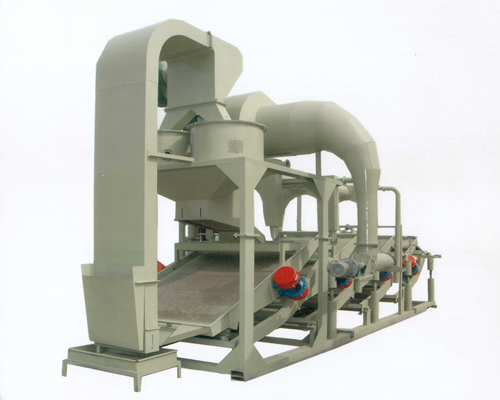
KTF3-1200 Sunflower seed hulling & separating machine
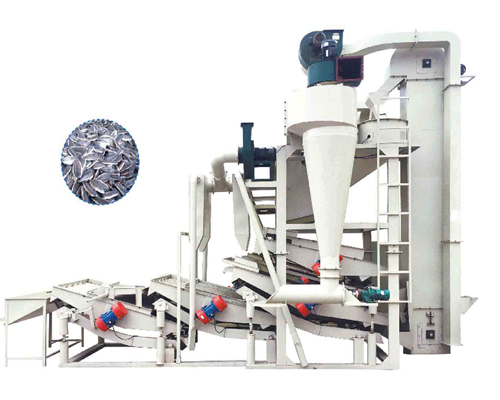
KTF4-2800型葵花脱壳分选机
巴彦淖尔市永明机械制造有限公司
Yongming Machinery Manufacturing Co., Ltd.
Honesty molded brand service a bright future
 | Service Hotline: 400-0478-123 |
 | Sale Line: +86 17310763143 |
 | E-mail: sales@nmgymjx.com |
 | Address: The intersection of G242 and 311 roads, Langshan town, Linhe district, Inner Mongolia, China. |
| Website: www.nmgymjx.com |

Scan and follow us