Tel: +86 17310763143
E-mail: sales@nmgymjx.com
Website: www.nmgymjx.com
Address:The intersection of G242 and 311 roads, Langshan town, Linhe district, Inner Mongolia, China.
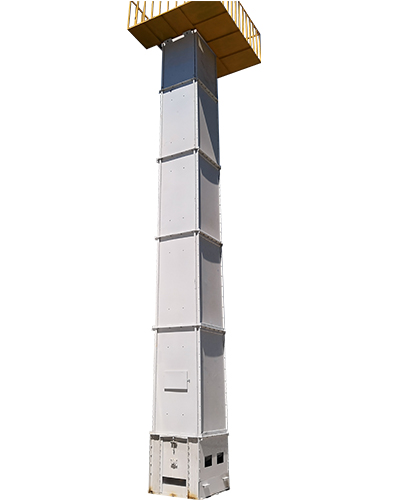
What are the characteristics of the vertical elevator, the next editor will introduce to you:
1. Running ability
The operation reliability is good. Advanced design principles and processing methods ensure the reliability of the entire machine. The trouble-free time exceeds 20,000 hours. High lifting height. The hoist is running smoothly, so it can reach a higher lifting height.
2. Driving skill
The driving force is small, the feeding, induction discharge, and large hopper are arranged densely. There is almost no return and digging when lifting materials, so the invalid power is very small.
3. Working principle
The hopper scoops the material from the storage below, then lifts it to the top with the conveyor belt or chain, bypasses the upper wheel and rotates downward, pouring the material into the receiving tank. The transmission belt of the belt-driven hoist generally uses a rubber belt, which is installed on the lower or upper transmission drum and the upper and lower steering drums. Chain bucket elevators are usually equipped with two parallel transmission chains, with a pair of transmission sprockets above or below it, and a pair of steering sprockets above or below it. Bucket elevators are usually equipped with an organic casing to prevent dust from flying in the bucket elevator.
4. Service life
The service life is long, the feed of the hoist adopts the inflow type, no need to use the bucket to dig the material, and the phenomenon of squeezing and collision between the materials rarely occurs. The design of the machine ensures that the material will not be scattered during the feeding and discharging process, thereby reducing mechanical wear.
5. Improvement range
The lifting range is wide, and this type of hoist has lower requirements on the type and characteristics of materials. It can not only promote general powder and small particle materials, but also promote materials with higher grinding performance. Good sealing and low environmental pollution.
The above is about the characteristics of the vertical elevator. Thank you for your attention and support. If you want to know more, please pay attention to the official website of Yongming Machinery.

De-impurity
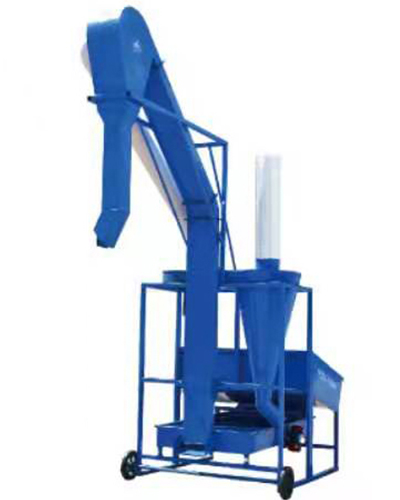
Delivery of the wind for raw material

Dmс-160 type pulsed jet cloth filter
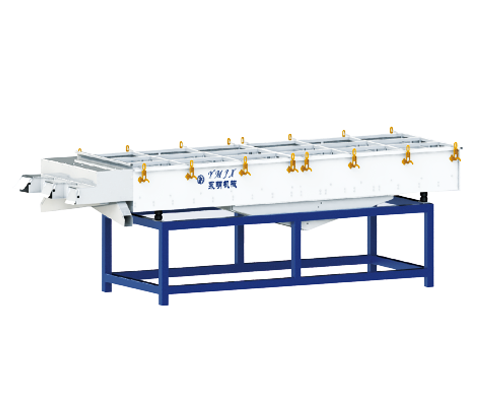
Grading screen
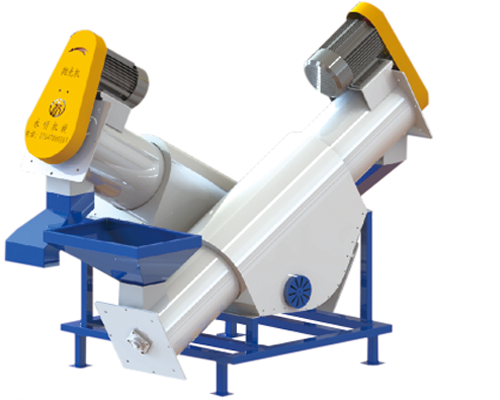
Polisher
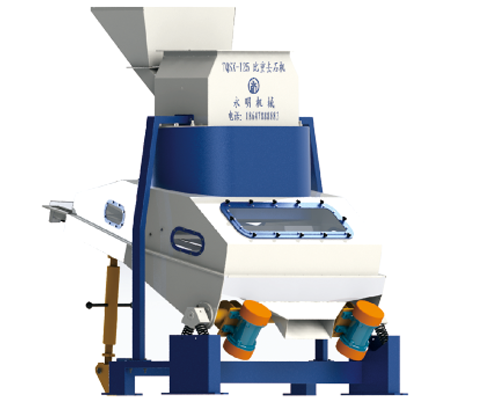
De-stoner
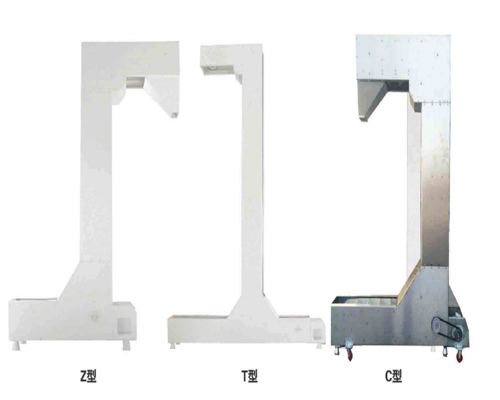
Unbroken elevator
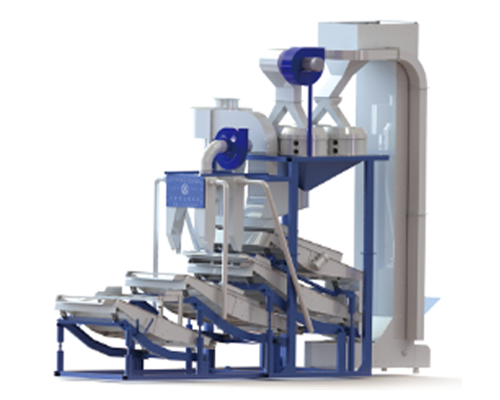
KTF4-3000 Sunflower seed hulling & separating machine
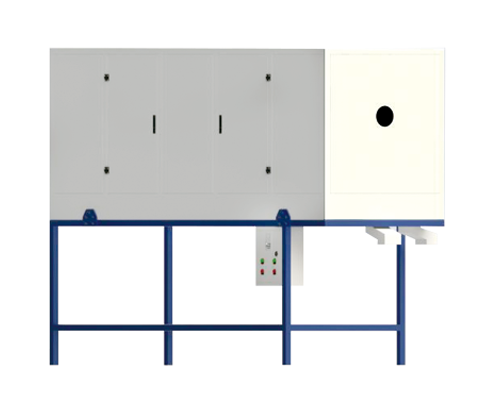
Ident cylinder sunflower seed cleaning machine
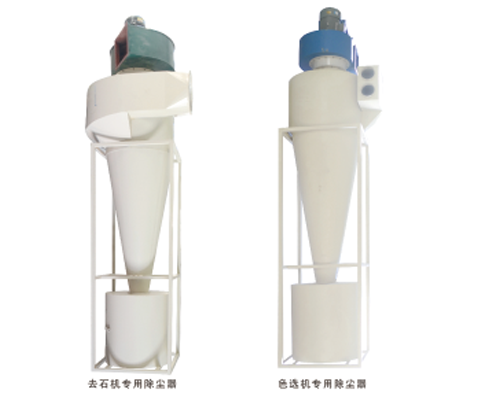
Product introduction of cyclone dust separator
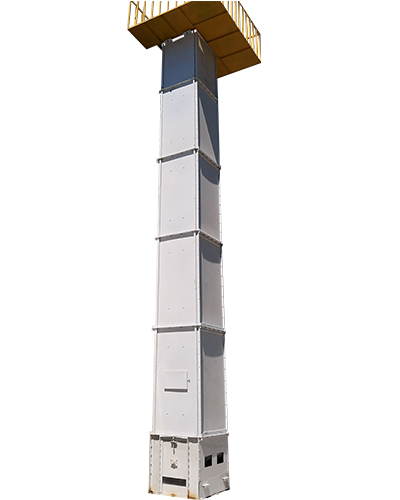
Vertical hoist
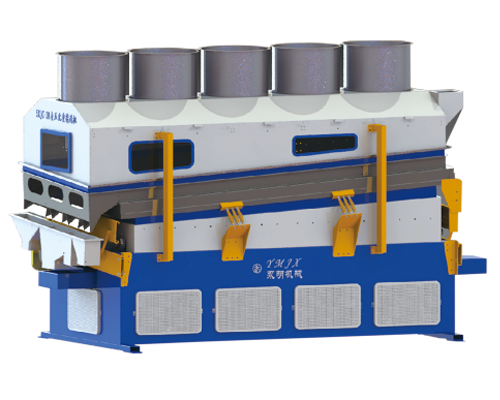
Gravity separator
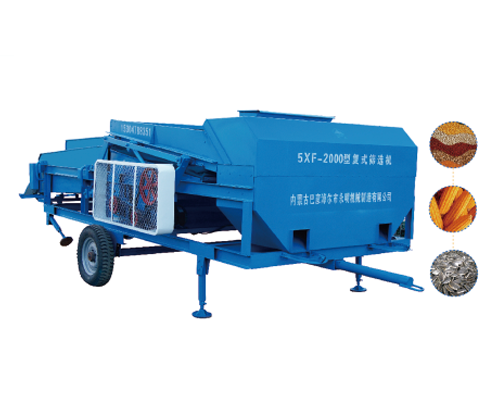
5XF-2000 type compound screening machine
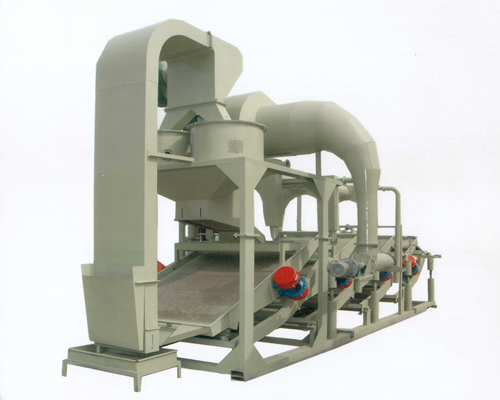
KTF3-1200 Sunflower seed hulling & separating machine
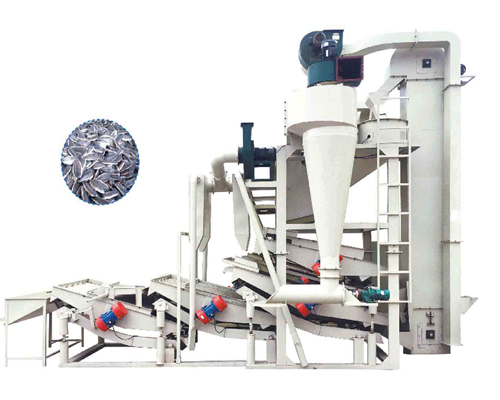
KTF4-2800型葵花脱壳分选机
巴彦淖尔市永明机械制造有限公司
Yongming Machinery Manufacturing Co., Ltd.
Honesty molded brand service a bright future
 | Service Hotline: 400-0478-123 |
 | Sale Line: +86 17310763143 |
 | E-mail: sales@nmgymjx.com |
 | Address: The intersection of G242 and 311 roads, Langshan town, Linhe district, Inner Mongolia, China. |
| Website: www.nmgymjx.com |

Scan and follow us