新闻资讯

新闻资讯

Current: Home > News > Industry news

ContactContact Us

Bayannur Yongming Machinery Manufacturing Co., Ltd

Facebook:htps/www.facbook.comyongmingmachinery

Instagram:htps:/www.instagram.comlyongmingmachinery

Twiter:htts/x.com/cnfoodmech

Youtube:https://www.youtube.com/@ISORTYM

Linkedin:https:/www.linkedin.comicompanylyongming-machinery

Tiktok:https/www.tiktok.com@yongmingmachinery

Address:Langshan Town, Linhe District, Bayannaoer City, Inner Mongolia, China

Hot line:+86 173 1076 3143

Website:www.nmgymjx.com

Email:sales@isortym.com

Experience in using bucket elevators and remedial measures for common problems

2020-04-07 15:09:24
times

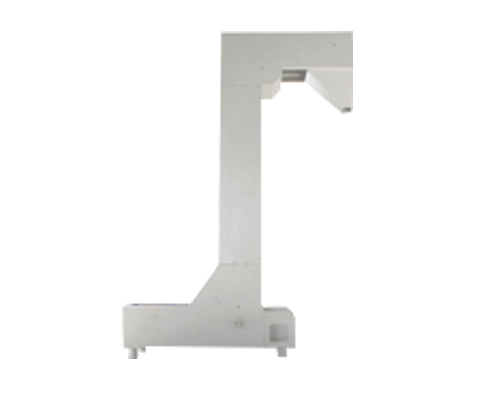
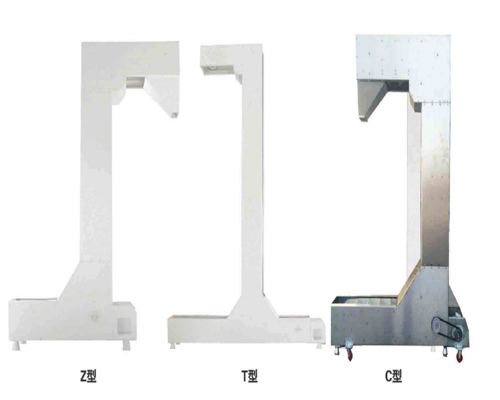
This article covers some possible issues that may arise with bucket elevators and provides possible solutions. The bucket elevator lifts bulk materials from one height to another. They are used in powders, granules, granules, sheet products, and bulk materials. When designed correctly for tasks, they can work well and be used according to the design.

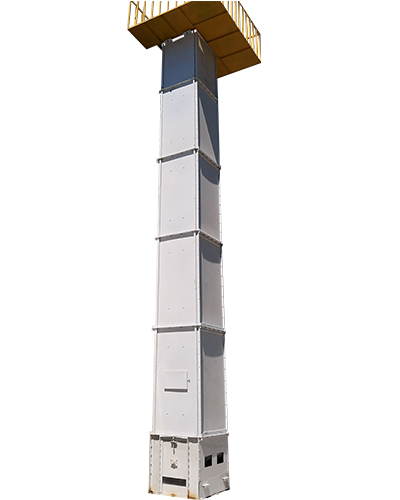
The bucket is fixed to the belt with bolts and driven by pulleys. The frame and shell surround the belt, bucket and product, and the bucket picks up materials that are sent into the elevator base or luggage compartment. At the top, it is thrown from the outlet chute, and one of the adjustable screws moves the pulley to provide belt tension and tracking function. The inspection doors at the top and bottom can observe the belt during tracking adjustment.

1. Drive pulley

The driving pulley can be a top pulley or a bottom pulley. The motor and gearbox are driven by the top pulley, with no product spillage or dust. The belt tension only needs to be sufficient to provide enough friction between the belt and pulley to lift the material.

Belt tracking and maintenance require an entrance platform for elevator top drive. Using a bottom pulley drive, maintenance is simple, but the belt tension is doubled to provide the same drive friction. This increases the load on all moving parts. If the bottom drive wheel is coated with product or the belt is stretched, the belt will slip. The top pulley drive has fewer operational issues.

2. The Importance of Cleanliness

When the bucket elevator is used for multiple products, the operator needs to quickly clean it. The flange and bolt access doors have good sealing, but the disassembly speed is slow, and the threads may crust due to dust. Another option for harmless materials is to use the door shown in Figure 2.

The bottom pulley should be designed for self-cleaning and products are not allowed to accumulate between the belt and pulley. One method is to create a grizzly bear design using a round bar. Applying rubber to the drive wheels will increase the driving friction. Cut the rubber joint at a 45 degree angle with the pulley shaft to gradually enter the friction area of the pulley.

3. Belt speed

The speed of the belt must be sufficient to throw the material out of the bucket and into the discharge chute. The speed is too slow, and the material slides over the top pulley from the overturned bucket and then falls back to the bottom of the elevator. The speed was too fast, the material was thrown too fast, it hit the top of the elevator, and then fell back to the bottom. This formula can be used to determine the correct belt speed and material throwing.

4. Shaft seal

The pulley bearing is installed on the bracket outside the elevator casing to prevent shaft seal leakage. The design of the shaft seal should be able to prevent leakage.

5. Feeding trough

The angle and cross-section of the feeding chute must be large enough to prevent the product from getting stuck or stacked, and unobstructed passage is crucial when the material is fed into the elevator protection device through a ramp under gravity or by forced methods such as power feeding screws. Similarly, the angle, size, and design of the discharge chute must allow for free flow of the product.

6. Boost pressure

Boosting usually occurs inside the elevator casing, as the blades drag air from the top to the bottom. When the feed rate into the elevator cover is less than the disassembly speed of the bucket, the airflow will pass through the filling section and flow upward with the filled bucket. Dust rises inside the elevator, and the internal air pressure forces the dust to be discharged through the opening and sealing gasket. The problem with powder or dusty products is more serious.

7. Dealing with dust

If reducing dust is important, the boots should be kept in a suffocating state and not let the elevator get stuck in mud. Increasing the feed rate of the boots slightly higher than the removal speed of the bucket can cause blockage. For such feeding devices, a back detection device must also be installed to periodically stop feeding until the guidance is cleared. Another successful method for powdered products is to feed the product from the bottom of the elevator. Through this method, the product filled with the protective cover moves with the bucket, and both the product and the bucket isolate the bottom of the protective cover from the airflow.

8. Mud detection

It is very important to quickly detect and stop the bucket elevator from falling into the mud. When this is ignored, the belt stops but the drive continues to run. If not detected, the rubber on the drive wheel will fall off and the belt will eventually wear out. In order to detect the sinking, a proximity detector is installed to confirm whether the non drive shaft is rotating. The fixed shaft will sound an alarm and stop the elevator and paper feeding system.

The above is the experience of using bucket elevators and solutions to common problems shared by the editor. We hope that through the above sharing, it can help everyone. Thank you for your attention and support. See you in the next issue!

提升机.png

Tags

  • menu
All rights reserved @ Bayannur Yongming Machinery Manufacturing Co., Ltd 蒙ICP备20000027号-1 Mainly engaged inSunflower huller, Inner Mongolia hoist, color selection matching, Welcome to inquire! disclaimer